Elephant sanctuaries on Koh Samui: how to choose an ethical visit
By the Endless Summer crew · · 9 min read
Read in: Deutsch
Some links in this article go to GetYourGuide, which pays us a small commission if you book. It costs you nothing extra, and we only link trips we would send a friend on.
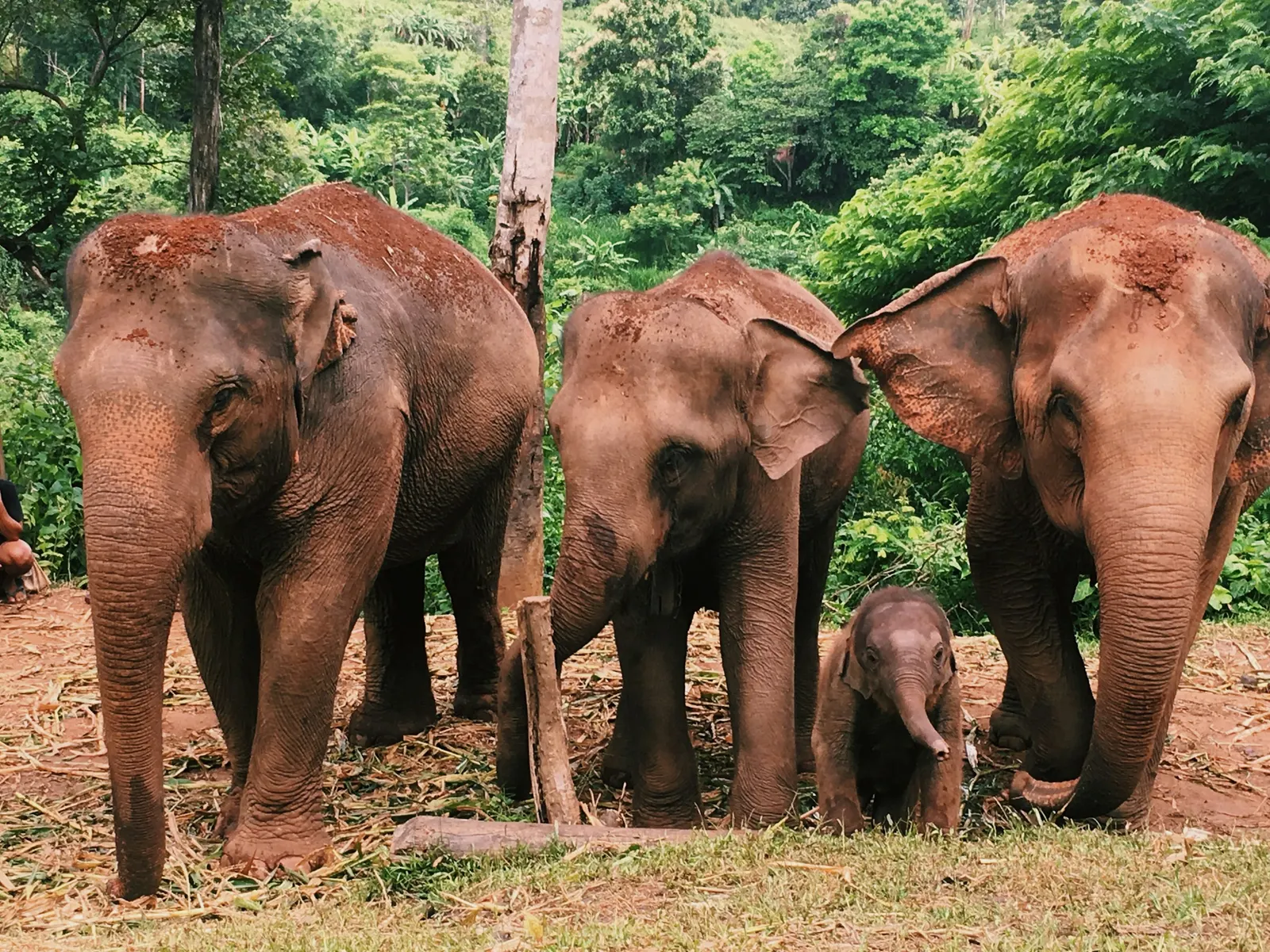
Choosing an elephant sanctuary on Koh Samui starts with one fact: there is no wild herd here. Every elephant you can meet on the island lives at a camp or sanctuary, most of them inland. Visiting one can be a good morning that also helps pay for their care. It can also, with the wrong choice, help pay for the very practices the word sanctuary is meant to rule out.
We don't run elephant visits ourselves; we link to two tours on GetYourGuide and explain below why we chose them. We don't name or rank venues.
What makes an elephant sanctuary on Koh Samui ethical?
An ethical elephant visit on Koh Samui lets elephants behave like elephants and asks visitors to fit around them. In practice that comes down to a short list. The first four are the lines we would not cross; the last two separate a good venue from an acceptable one.
- No riding of any kind. Not with a seat, not bareback, not sitting on the neck for a photo. Welfare groups point out that an elephant's spine is not built to carry people, and riding depends on training the animal to obey.
- No shows. No painting, football, dancing or tricks. Animals only perform on cue after training that people who study elephant welfare describe as harsh.
- No chains or hooks on view during your visit. Mahouts at some venues carry a bullhook (a short stick with a metal hook). At a venue that works by reward and trust, you should not see one being used.
- No baby-elephant photo sessions and no breeding for tourism. Calves born in captivity add to the number of elephants who will need care for the rest of their lives.
- Small groups. A few visitors per elephant, not a crowd forming a ring round one animal.
- Observation-led. The more of your time is spent watching elephants forage, dust themselves and interact with each other, at a distance they choose, the better.
The word sanctuary guarantees nothing: venues choose it for themselves, so judge a venue by what it does rather than what it calls itself.
Is elephant bathing ethical? The debate, stated fairly
Bathing elephants, showering them with hoses or joining them in a mud spa is the most argued-over part of a Samui sanctuary visit, and serious people sit on both sides. We would rather set out the case than pretend it is settled.
The case against. World Animal Protection, one of the best-known campaigners on the issue, counts bathing and washing as direct contact and does not treat them as elephant-friendly. Its argument is that elephants which tolerate crowds of strangers in the water have usually been trained to do so, often harshly and from a young age; that repeated washing for one group after another is about the visitors, not the elephant's skin; and that close contact carries real risk to people.
The case made by venues that offer it. Elephants like water and mud and use both every day to cool down and protect their skin. A mahout-led walk to a pool or a mud wallow, they argue, is part of the animals' routine with or without visitors, and the fees from those sessions pay for food, vets and land for elephants retired from far worse work.
Where that leaves you. If you want the gentlest option, choose an observation-led visit where you watch from a distance and the elephants keep to their own day. If you choose a programme with bathing or a mud spa, look for small groups, sessions that are not repeated hour after hour with the same animals, and mahouts who let an elephant leave the water when it wants to. It is your call, and we would rather you made it with the full picture.
Questions to ask before you book
A good sanctuary answers these easily and without irritation. Send them by message before you pay; vague or defensive replies tell you a lot.
- How many elephants do you care for, and how many visitors are in each session?
- How many sessions a day does each elephant take part in?
- Is any contact optional, and can an elephant walk away from visitors when it chooses?
- Where do the elephants spend the night, and are they chained? If so, on how long a chain and for how many hours?
- Do your mahouts carry hooks or sticks?
- Is there riding, or a show, anywhere on the site, including at a partner camp next door?
- Do you breed elephants?
- Where did your elephants come from, and is there a vet on call?
Read recent reviews with the same questions in mind. Photos of visitors sitting on an elephant, or elephants standing in a line for a group picture, are more telling than any star rating.
A short visit, a half day or a full day: what to expect
Samui programmes tend to come in three lengths, and the shape of the visit is broadly the same: pickup, a safety briefing, preparing food, feeding, then time watching the elephants. Longer programmes add more watching, a walk, water or mud, and a meal.
| Format | Typical length | What usually happens | Suits |
|---|---|---|---|
| Short feeding slot | About 60 to 90 minutes | Briefing, preparing fruit and vegetables, hand-feeding, some photos; some add a shower | A tight schedule, younger children |
| Half day | About 3 to 4 hours including transfers | Feeding, a walk with the herd, time watching them forage; some add a mud spa or bathing | Most visitors |
| Full day with jungle stops | About 6 hours | A sanctuary visit combined with viewpoints, a waterfall and lunch | First-timers who want an island overview too |
Times include the van ride, which can be half an hour or more each way depending on where you stay. Morning sessions are cooler for you and for the elephants. In the wettest weeks, from mid-October to mid-December, expect the ground to be properly muddy.
The two elephant tours we link to, and the trade-off
We link to two GetYourGuide tours, chosen for different trips, and neither listing mentions riding. Ratings are as listed at the time of writing.
- Elephant sanctuary and jungle adventure with lunch: about six hours, with hotel pickup. The elephant part centres on preparing food and feeding, and the rest of the day goes to jungle stops and lunch. Rated 4.76 from 2,716 reviews. The trade-off: less time with the elephants than a dedicated half day, but, going by the listing, the less hands-on of the two, and a good choice if you also want to see the island's interior.
- Feed and shower with elephants: a 90-minute slot of feeding followed by showering the elephants. Rated 4.83 from 1,203 reviews. The trade-off: it fits into a morning or an afternoon, but the shower is the kind of direct contact the bathing debate is about.
Longer half days with a mud spa are also sold on Samui. We have not linked one, because they involve the most contact of any format. If that is what you want, put the questions above to the operator first. Whichever you book, read the current itinerary on the listing; operators change details from season to season.
What to wear to an elephant sanctuary
Wear clothes you are happy to get filthy. Mud, elephant saliva and squashed fruit all wash out, eventually.
- Shoes: closed trainers or sports sandals with a heel strap. The ground is uneven and often wet.
- Clothes: light, quick-drying and not your best. Shorts or light trousers and a T-shirt.
- If water or mud is included: swimwear under your clothes, a towel and a full change for the ride back.
- Insect repellent and sun cream: apply before you arrive, not in the middle of feeding.
- A dry bag or zip-lock pouch for your phone.
- Leave at home: dangling jewellery, loose hats and anything that rustles like food in a carrier bag.
Visiting an elephant sanctuary with children
Children usually love it, and the observation-led format suits them best because it keeps a sensible distance between a small person and a large animal. An adult elephant weighs several tonnes and can swing its trunk without meaning any harm.
Age rules vary by programme, and some set a minimum age or height, so check the listing before you book. Keep under-tens within arm's reach, follow the mahouts' instructions on where to stand, and don't let children run up behind an elephant. A short feeding slot is plenty for younger children; a six-hour day is a long time for a five-year-old. For family days on the water, our guide to a Koh Samui boat trip with kids covers ages and what works.
Fitting a sanctuary visit into your Samui week
Book a morning slot, early in your stay. Morning sessions are cooler, and booking early leaves room to move the visit if heavy rain turns the site to soup. Most programmes include hotel pickup, so the drive inland is not something you need to plan.
A sanctuary morning sits well alongside the sights of the interior. The Na Muang waterfalls are inland too; our guide to Koh Samui waterfalls covers the walks and when there is water worth seeing. For more ideas, see things to do on Koh Samui.
If you want the sea as well, a morning sanctuary programme and an evening on the water can share a day. Our Sunset Cruise runs 16:00 to about 19:30, Monday to Friday, with hotel pickup between 14:00 and 15:15 depending on your area, so it works if the sanctuary drops you back by early afternoon.
Questions people ask us
- Can you see elephants on Koh Samui?
- Yes, but only captive elephants: there are no wild elephants on the island. You can visit them at several sanctuaries and camps, most of them inland. Choose a venue with no riding, no shows and no chained animals, and most programmes include hotel pickup.
- Which elephant sanctuary in Koh Samui is the best?
- The best is the one that passes the welfare checks, not the one with the most reviews. Look for no riding, no shows, no hooks or chains on view, small groups and elephants free to walk away. Before booking, ask how many visitors join each session and where the elephants sleep. Observation-led visits are the gentlest option. Bathing and mud spas are debated: some welfare groups count them as harmful direct contact, while the venues offering them say water and mud are part of the elephants' routine.
- Can you go to an elephant sanctuary on Koh Samui without booking?
- Occasionally, for a short self-arrival feeding visit, but most programmes run at set session times with a limited number of places and include a hotel pickup. Book a day or two ahead, longer in the busy months, and send your welfare questions before you pay.
- What should I wear to an elephant sanctuary?
- Old, light clothes you don't mind getting muddy, and closed trainers or sports sandals with a heel strap. If bathing or a mud spa is included, wear swimwear underneath and bring a towel and a full change of clothes. Put on insect repellent and sun cream before you arrive, and carry your phone in a dry bag.
Come out on the water with us
One handcrafted Thai teak cruiser, fifteen guests at most, free hotel pickup anywhere on Koh Samui.