A Cooking Class on Koh Samui: What You Learn, and How to Choose One
By the Endless Summer crew · · 8 min read
Some links in this article go to GetYourGuide, which pays us a small commission if you book. It costs you nothing extra, and we only link trips we would send a friend on.
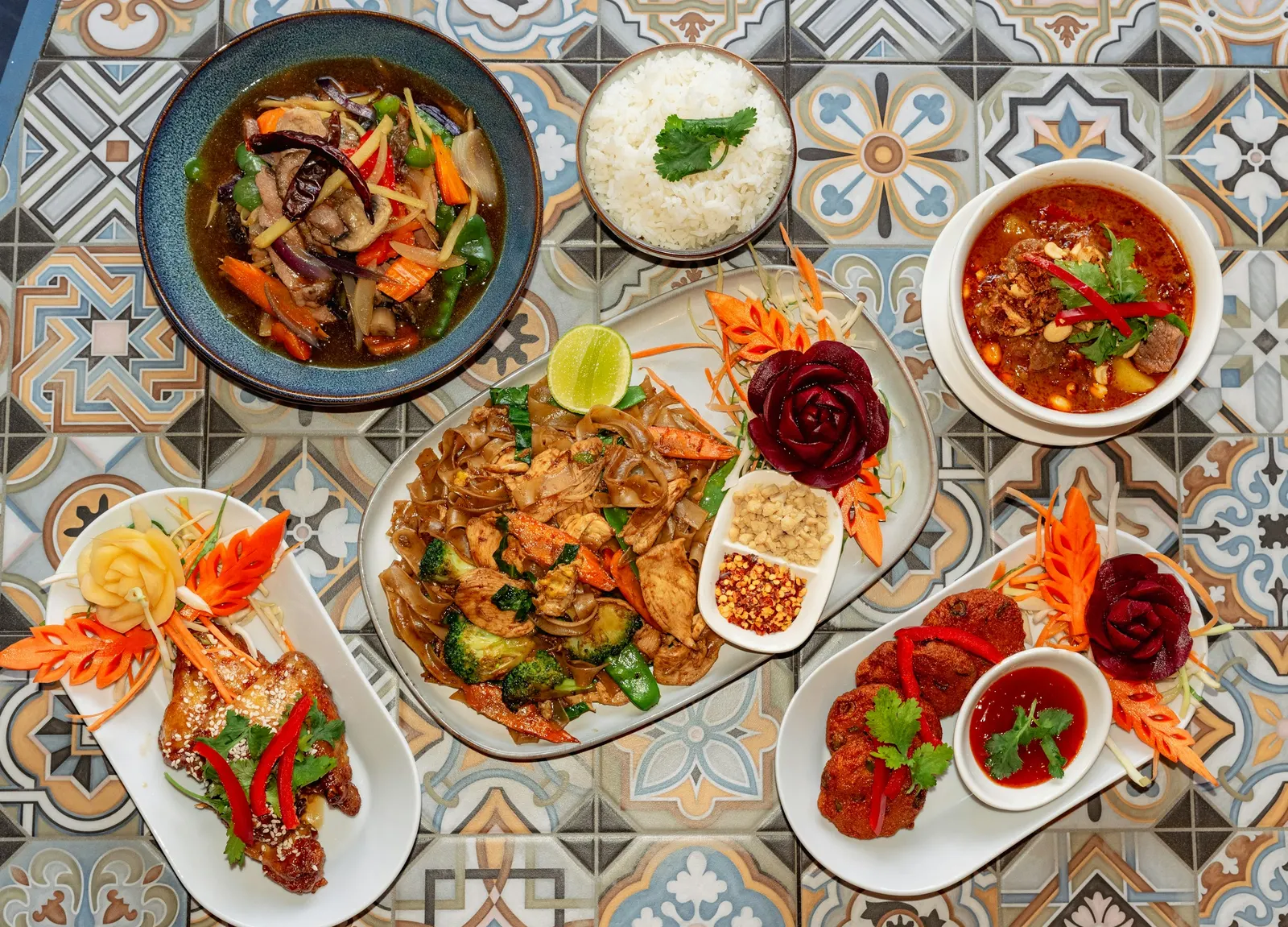
A cooking class on Koh Samui is one of the few things on the island that is just as good in the rain as in the sun. In about four hours you learn to make a curry paste from scratch, cook four or five Thai dishes at your own station, and eat everything you make.
We run a boat, not a kitchen, so this guide is about choosing someone else’s class well. It covers what a typical Thai cooking class on Koh Samui includes, the difference between the two main styles, how classes handle vegetarians, allergies and spice, and whether to bring the children.
What does a Thai cooking class on Koh Samui cover?
Most classes follow the same shape: pickup, a market visit, a short introduction to Thai ingredients, then cooking and eating in turns. The details vary from school to school, so check each listing for what is included.
- Hotel pickup. Many classes collect you from your hotel, sometimes from the main road near it rather than the door.
- The market. A guided walk through a local fresh market to see and smell the ingredients: galangal, lemongrass, makrut lime leaves, several kinds of basil and chilli, fresh coconut milk. Not every session includes it, especially afternoon ones.
- The curry paste. The part most people remember. You pound chillies, garlic, shallots, lemongrass and spices in a heavy stone mortar until they turn into a paste. It takes longer than you expect and is the best lesson of the day.
- Four or five dishes. A soup, a curry, a stir-fry, a salad and often a dessert, each cooked at your own station and eaten as you go.
- Recipes to take home. Most classes give you a booklet or recipe cards for the dishes you cooked.
A typical menu looks something like this, though many schools let you choose between two or three options per course:
| Course | Common choices |
|---|---|
| Soup | Tom yum (hot and sour) or tom kha gai (chicken in coconut milk) |
| Curry | Green, red, massaman or panang, with a paste made by hand |
| Stir-fry or noodles | Pad Thai, or pad kra pao (holy basil stir-fry) |
| Salad | Som tam (green papaya salad) |
| Dessert | Mango sticky rice |
How long is a cooking class, and is it morning or afternoon?
Expect about four hours from pickup to drop-off, run as a morning or an afternoon session. A morning class is more likely to include the market, which is busiest early, and you eat your cooking as lunch. An afternoon class ends close to dinner time, so it replaces your evening meal.
You will eat a lot. Four or five dishes in four hours is a full meal and then some, so skip a big breakfast before a morning class and do not book a dinner for afterwards.
Home-style family class or a seaside cooking school?
Choose a family class for a personal, home-kitchen feel, and a seaside school for a more polished set-up with a view. Both teach the same core dishes; the difference is the setting and the group.
| With a local family | Cooking school by the sea | |
|---|---|---|
| Setting | A Samui family’s home kitchen | An open-air teaching kitchen facing the sea |
| Feel | Personal, relaxed, family recipes | Organised, professional, a view while you cook |
| Best for | Couples and small groups who want a host | Groups who want a structured class |
| Ask about | Group size, menu, pickup area | Group size, market visit, pickup area |
On GetYourGuide, the Thai cooking class with a Samui local family was rated 4.96 from 544 reviews at the time of writing, and the Thai cooking masterclass by the sea 4.88 from 245. Both run for about four hours. Read each listing for the current menu, pickup and whether the market visit is included on your date.
What makes the best cooking class on Koh Samui?
The best cooking class on Koh Samui is the one where you cook every dish yourself, at your own station, in a small group. Ratings help, but these questions tell you more:
- Do you cook, or watch? Some classes demonstrate a dish and let you help. The good ones give each guest their own wok, mortar and ingredients.
- How many people per class? A small group means the teacher can see your pan. Large groups mean waiting.
- Is the curry paste made from scratch? Opening a packet of paste is quicker but teaches you little.
- Can you choose your dishes? Useful if you already know pad Thai and want to learn something else.
- Where is the pickup area? Samui is bigger than it looks on the map, and a class across the island can mean a long ride each way.
If someone in your group wants to come along but not cook, ask: some schools offer a lower price for a non-cooking companion.
Vegetarian, vegan, allergies and spice
Thai cooking adapts well to most diets, but only if the class knows in advance. Ingredients are often bought the same morning, so tell them when you book, not when you arrive.
- Vegetarian and vegan. Many curry pastes contain shrimp paste, and fish sauce and oyster sauce go into most dishes. A good class swaps in soy sauce, mushroom sauce and a paste without shrimp, and replaces meat with tofu or vegetables.
- Peanuts. Common in pad Thai, som tam, massaman curry and satay sauce. Easy to leave out of your own dishes, but mention it so the teacher can watch for shared bowls and oil.
- Shellfish. Shrimp paste and dried shrimp turn up where you would not expect them, including in curry pastes and som tam.
- Gluten. Standard soy sauce and oyster sauce usually contain wheat. Ask whether a gluten-free version is available, or bring your own if it matters.
- Spice. You control it. In most classes you add the chillies yourself, so you can cook a mild green curry and your neighbour a fierce one from the same lesson.
Are cooking classes on Koh Samui good for children?
For older children and teenagers, yes; for small children, it depends on the class. There are sharp knives, hot woks and gas burners at every station, and a four-hour session is long for a young child.
Check the minimum age before you book, since each class sets its own. Teenagers who like food usually enjoy it, and the curry paste is a good job for younger helpers, with an adult close by. For a morning out with smaller children, our guide to a Koh Samui boat trip with kids may suit them better.
Is a Thai cooking class worth it on a rainy day?
A cooking class is one of the best rainy-day plans on Koh Samui, because the kitchens are covered and the rain does not change the lesson. From mid-October to mid-December, the island’s wettest stretch, it is worth keeping a class in mind as your plan B.
Rain on Samui usually comes in bursts with sunny spells between, so a morning class can leave you a dry afternoon for the beach. Our rainy season guide covers the rest of that stretch, and our list of things to do in Koh Samui has more ideas for wet mornings.
And if you are out with us, lunch on our Half-Day Trip is made by an island kitchen: you choose one of 12 dishes, lettered A to L, when you book, among them a lo-cal pad Thai with chicken, and it is freshly made on the day rather than cooked on board.
Questions people ask us
- Is a cooking class on Koh Samui worth it?
- Yes, if you like Thai food and want to cook it again at home. In about four hours you learn to make a curry paste by hand and cook four or five dishes, and the meal is included because you eat what you cook. It also works in any weather, which makes it one of the best plans for a wet day on the island.
- What dishes do you cook in a Thai cooking class?
- Usually four or five: a soup such as tom yum or tom kha gai, a curry such as green, red, massaman or panang, a stir-fry or noodle dish such as pad Thai or pad kra pao, often som tam, and sometimes mango sticky rice. Many classes let you choose between options for each course, so you can avoid dishes you already know.
- Can vegetarians and vegans take a Thai cooking class?
- Yes, if you say so when you book. Many curry pastes contain shrimp paste, and fish sauce and oyster sauce are in most dishes, so the class needs to prepare a different paste and swap in soy sauce, mushroom sauce and tofu or vegetables. Ingredients are often bought the same morning, which is why telling them on arrival is too late.
- How long is a cooking class on Koh Samui?
- About four hours, including pickup and the market visit where there is one. Classes run as morning or afternoon sessions. Morning classes are more likely to include the market and end with lunch; afternoon classes finish near dinner time. Either way you eat a large meal, so do not book another one straight afterwards.
- What food is Koh Samui famous for?
- Coconut and seafood. The island has grown coconuts for generations, and coconut milk runs through its curries and desserts. Southern Thai cooking is also known for being spicier than the dishes most visitors know from home. Most cooking classes teach the classic central Thai dishes, so if you want to learn a southern curry, ask the school before you book.
Come out on the water with us
One handcrafted Thai teak cruiser, fifteen guests at most, free hotel pickup anywhere on Koh Samui.